Skip to content

Regulations 18 March 2026

Energy class: what it actually means for buyers and sellers

A plain explanation of the APE certificate and how energy class affects bills and property value.

By Claudia
Energy class: what it actually means for buyers and sellers

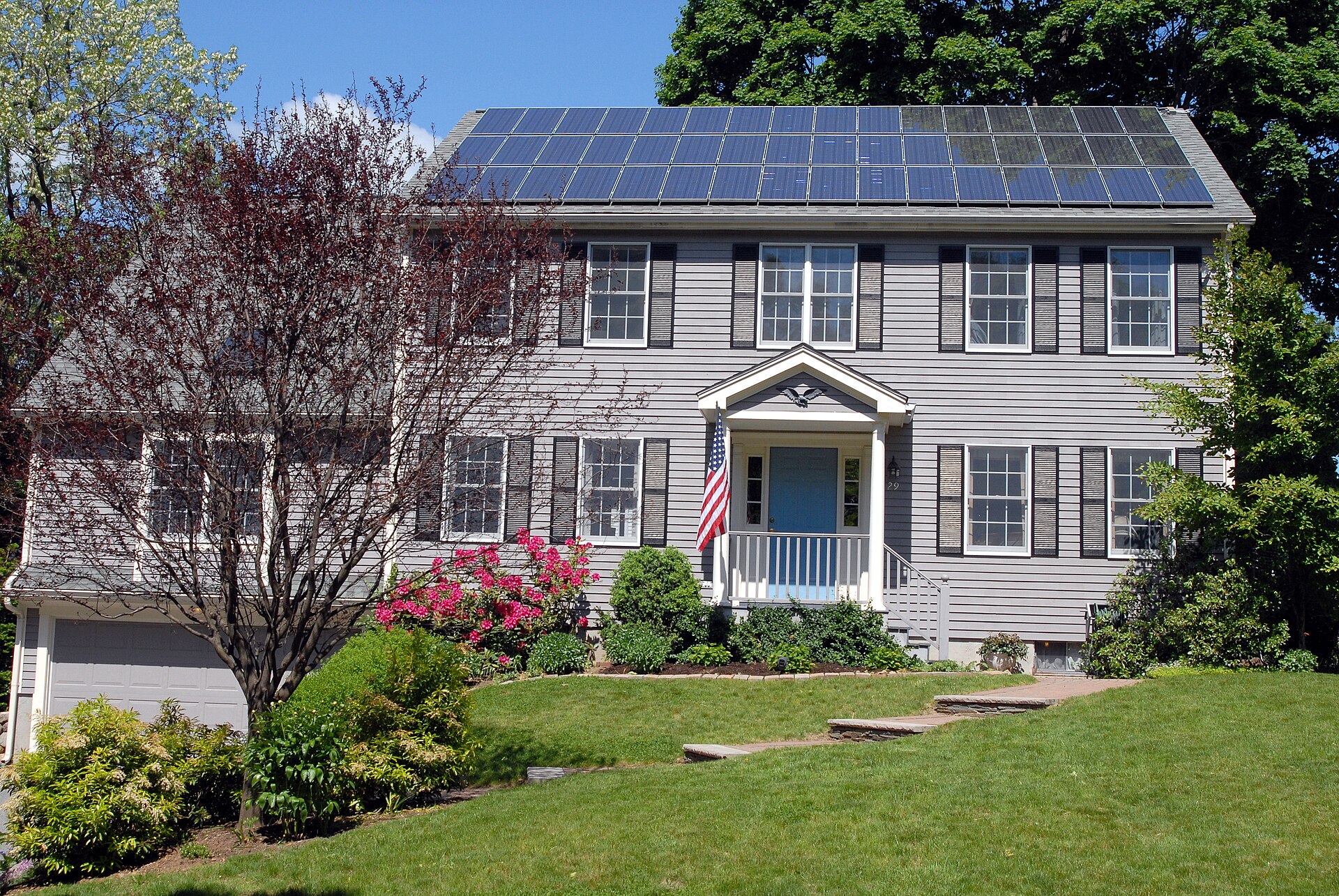
Photo: Wikimedia Commons, CC BY-SA 3.0

Energy class now appears in every property listing, but it isn't always clear what it actually measures and why it's worth paying attention to it, whether you're buying or selling. The class is calculated through the energy performance certificate (APE), a technical document drawn up by a qualified professional that assesses how much energy is needed to heat, cool and run the property under standard conditions. The scale runs from A4, the most efficient, to G, the least: two flats identical in size can have very different consumption depending on insulation, windows and the type of heating system. For sellers, the APE is mandatory from the moment the listing goes live, not just at the deed: by law, energy class must appear in every ad, or administrative penalties can follow. For buyers, energy class is a concrete indicator of future running costs, not a technical detail to skim past: a class G property can cost noticeably more to heat than a class B one of the same size and use, a factor worth weighing alongside the purchase price. It's worth remembering that energy class isn't fixed: work such as replacing windows, insulating the roof or installing a new heating system can improve it significantly, often with dedicated tax incentives available. In short: it's not just a label for regulatory compliance, but a figure that deserves as much weight as size and location when evaluating a property.

Frequently asked questions

What exactly is an APE and who issues it?

The APE (Energy Performance Certificate) is a technical document prepared by a certified professional. It evaluates the amount of energy required to heat, cool, and operate a property under standard conditions.

How does the energy class scale work?

The rating scale ranges from class A4, which indicates the most efficient properties with the lowest consumption, down to class G, which represents the lowest level of energy efficiency.

Do two houses of the same size consume the same amount of energy?

Not necessarily. Two apartments with identical square footage can have vastly different energy consumption depending on their thermal insulation, window quality, and the type of heating/cooling system installed.

When is it mandatory for a seller to have an APE?

For sellers, having an APE is mandatory from the moment the real estate listing is published, not just at the final deed of sale (rogito). The energy class must be clearly displayed in the advertisement.