Skip to content

Regulations 25 February 2026

Renovating a home: how tax deductions generally work

The basic mechanism behind renovation tax deductions, without getting into percentages that change every year.

By Claudia
Renovating a home: how tax deductions generally work

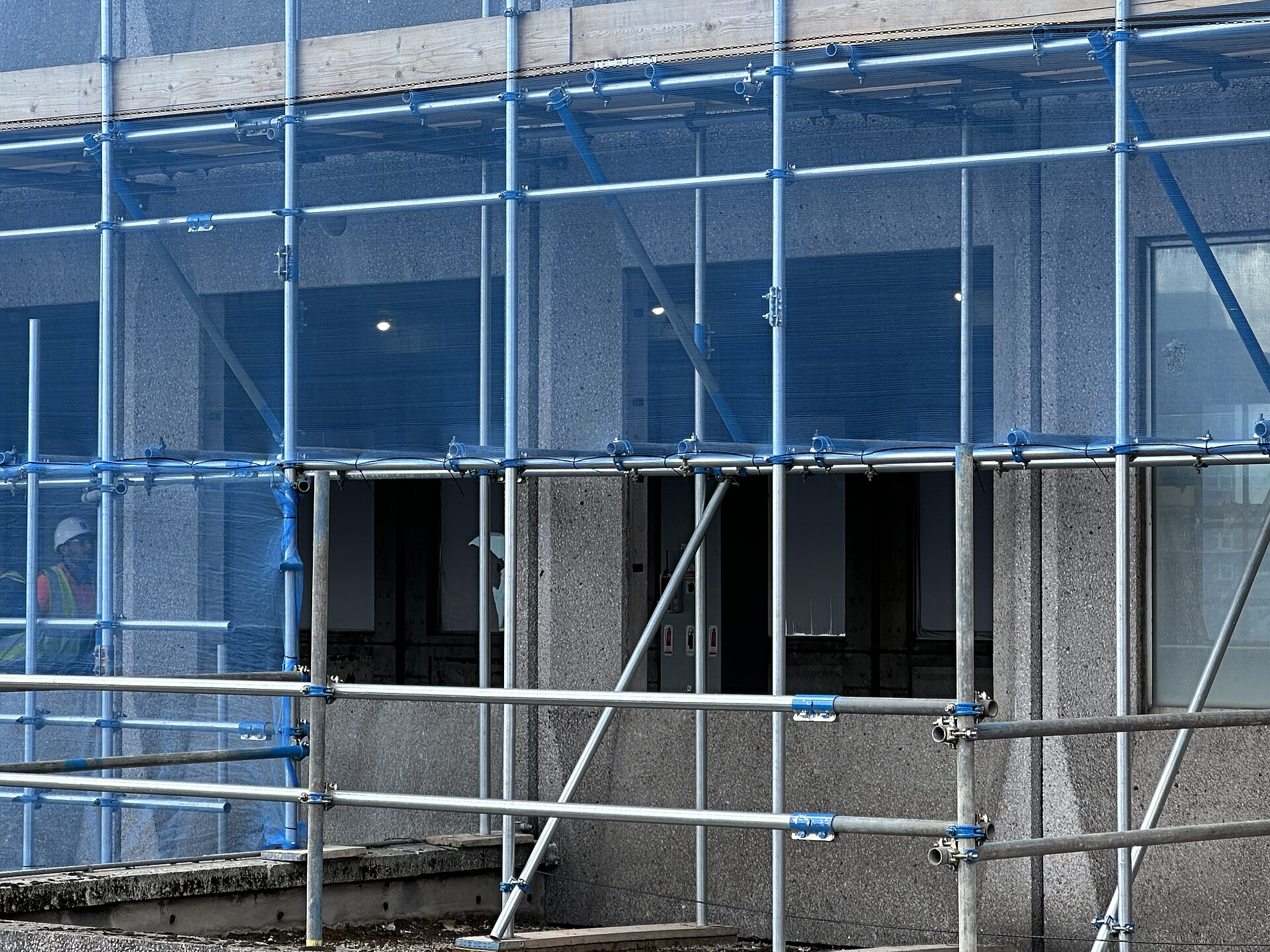
Photo: Wikimedia Commons, CC0

Anyone buying a property that needs renovation often wonders how much of the work is tax-deductible. The basic mechanism is simpler than it looks, even though the details — percentages, spending caps, requirements — change periodically with each budget law. The general idea is this: expenses for building renovation work can be deducted from personal income tax, usually spread over several years, up to a maximum spending cap set by law. This typically covers work such as redoing systems, structural reinforcement, or replacing windows or the roof. There are also dedicated incentives for specific interventions, such as improving energy efficiency (external insulation, windows, more efficient heating systems) or installing solar panels, often with different deduction percentages than general renovation work. One practical point to know before starting work: accessing these deductions generally requires traceable payments (a specific type of bank transfer) and precise documentation — invoices, notifications to the relevant energy agency where required, and keeping the full paper trail in case of an audit. Precisely because percentages, spending caps and requirements change every year with new budget laws, there's really only one piece of advice worth giving: before signing a contract with a contractor, check the rules currently in force with an accountant or a tax assistance centre, so you can plan the work knowing exactly what to expect.

Frequently asked questions

What types of interventions generally fall under building renovation deductions?

Interventions such as the rebuilding of systems, structural consolidation, and the replacement of fixtures or the roof typically fall into this category.

How does the basic mechanism for renovation expense deductions work?

Expenses incurred for building renovation interventions can be deducted from IRPEF. These deductions are generally spread over several years, up to a maximum spending limit set by law.

How should payments be made to access the tax bonuses?

To access the deductions, traceable payments are normally required, which are made through the so-called "bonifico parlante" (speaking bank transfer).

What documentation must be kept to comply with the bonuses?

Precise documentation is required: you must keep invoices, communications to ENEA (when required), and the entire file for potential checks.

Do the rules and deduction percentages always remain the same over time?

No, percentages, spending limits, and requirements change every year with the new budget laws. For this reason, before signing a contract with a company, the advice is to check the current rules with an accountant or a CAF.