Guides 01 July 2026
Selling a home: the documents to prepare before listing it
The paperwork that actually matters when putting a property up for sale, to avoid delays once a buyer shows up.
By Claudia

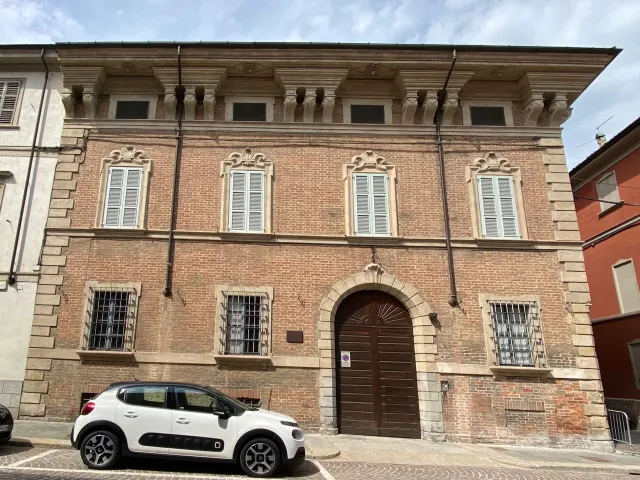
Photo: Wikimedia Commons, CC BY-SA 3.0
Frequently asked questions
Why is it important to prepare documents before listing a house for sale?
Preparing the documentation before publishing the listing saves everyone time, preventing negotiations from slowing down not because of the price, but because the paperwork isn't ready.
What is the first essential document to check?
The first document is the updated cadastral floor plan, which must be perfectly consistent with the actual layout of the property.
What happens if there are discrepancies between the floor plan and the actual state of the house?
Any discrepancies (such as a moved wall or an enclosed balcony) must be regularized before the final deed of sale (rogito), to avoid discovering them as obstacles during negotiations.
What other documents need to be available?
In addition to the floor plan, you need the cadastral record (visura catastale) and, if the property is part of a condominium, you must also obtain the condominium regulations and the latest approved budget.
When is the Energy Performance Certificate (EPC) required?
The EPC is mandatory right from the moment the listing is published. By law, the property's energy class must appear in every advertisement.